

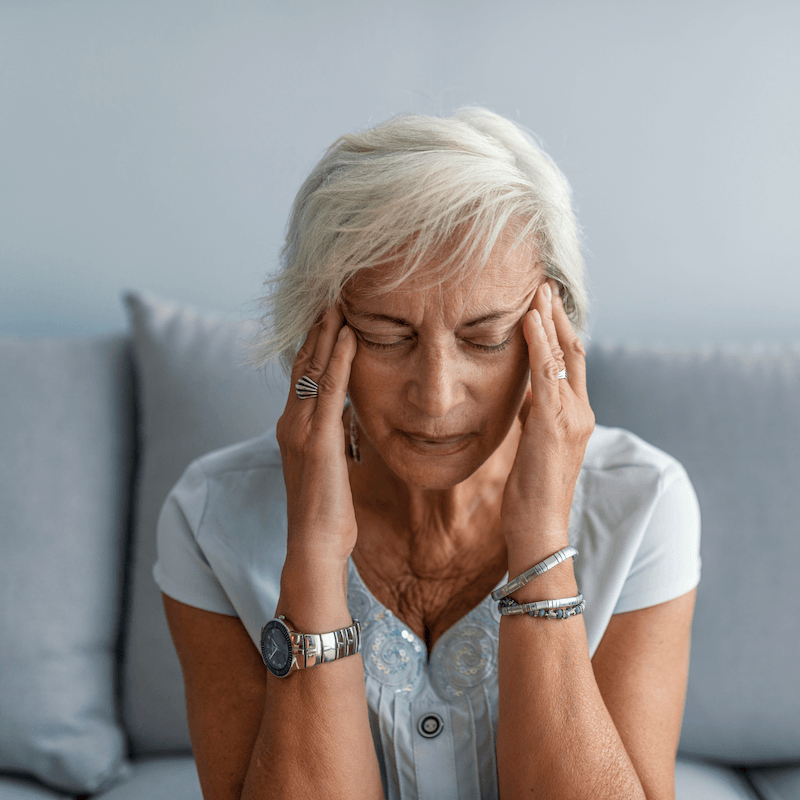
A migraine does not exclusively manifest as acute head pain; rather, a vestibular migraine predominantly impairs equilibrium, motion processing, and spatial orientation. At our ENT clinic, we investigate recurring dizzy spells to verify whether vestibular migraine or a distinct balance pathology is driving symptoms. Establishing appropriate migraine treatment depends on recognizing presenting symptoms and communicating these patterns to your healthcare team.
Vestibular vs. Classical Migraine: Key Differences
Although stemming from the same neurobiological disorder spectrum, vestibular migraine and typical migraine present with distinct primary complaints. A typical migraine attack often centers on moderate to severe head pain that may be one-sided, pulsating, and aggravated by normal activity. Nausea, light sensitivity, sound sensitivity, and visual aura may accompany the pain.
Vestibular migraine characteristically triggers episodes of spinning vertigo, persistent dizziness, unsteadiness, and motion intolerance. Although cephalalgia can develop, head pain is not a mandatory feature during every vestibular migraine attack. An attack can involve subjective or objective rotational vertigo, dizziness aggravated by head turns, or discomfort in visually rich settings.
Qualifying vestibular events standardly run a time course extending from five minutes to 72 hours. Symptoms often vary in nature and intensity between separate attacks, obscuring the relationship to migraine compared to straightforward headaches.
Pathophysiology: What Triggers and Causes Vestibular Migraines?
Vestibular migraine does not arise from a single isolated health condition. The pathology seems to stem from shared central neural networks that process both vascular migraine signals and peripheral balance inputs. Individual or hereditary migraine history, paired with lifelong motion sickness, substantially elevates clinical susceptibility.
Typical episode triggers encompass the following:
- Inadequate sleep duration or irregular circadian rhythms
- Delayed food intake, prolonged fasting, or inadequate hydration
- Emotional stress or recovery after stress
- Catamenial hormonal fluctuations, menstruation, or perimenopause
- Bright, flashing, or visually complex surroundings
- Intense motion, travel, or scrolling
- Consumption of alcoholic drinks, caffeine withdrawal, or individualized food sensitivities
- Atmospheric pressure changes, weather fluctuations, or overwhelming sensory stimulation
Detailed Symptom Breakdown: Vestibular vs. Regular Migraine
While recurrent head pain defines typical migraines, the full spectrum of migraine symptoms extends beyond localized discomfort. Manifestations frequently involve nausea, emesis, classic visual scotomas, lethargy, cognitive fog, cervical tension, and intolerance to lights, sounds, or odors.
Documented manifestations of vestibular migraine include:
- Spinning or non-spinning vertigo
- Persistent postural unsteadiness, gait instability, or loss of balance
- Positional dizziness directly provoked by quick head movement
- Nausea during motion
- Visual-vestibular mismatch when navigating crowded shopping aisles, moving traffic, or patterned visual fields
- Subjective sensations of standing on a rolling boat deck, floating, vertical tilting, or lateral pulling
- Photophobia, sound intolerance, and pronounced optical hypersensitivity
- Sensation of intense cranial pressure, sinus heaviness, or classic throbbing migraine pain
- Transient aural fullness, ear pressure, or acute tinnitus
Identifying the specific temporal pattern, duration, and triggers helps clinicians distinguish vestibular migraine from other balance conditions. Sudden dizziness combined with focal weakness, localized numbness, slurred speech, double vision, loss of consciousness, or gait failure necessitates emergency care.
Concurrent Presentations: Can Vestibular and Regular Migraines Co-Occur?
Yes, this frequently happens. Vertigo and a migraine headache can occur during the same attack. The dizziness may begin before the head pain, develop while the headache is active, continue afterward, or appear during a separate episode. Over time, patients may see their symptoms fluctuate between traditional headache attacks and balance-dominant episodes.
An episode of vertigo does not have to feature head pain to be classified within the migraine spectrum. Documenting flare-ups in a symptom diary illuminates subtle patterns that might otherwise be forgotten during doctor visits. Document the timing of vertigo bouts, pain characteristics, sensory hypersensitivity, hormonal cycles, sleep hours, missed meals, prospective triggers, and medication efficacy. This information can make an evaluation more precise.
Clinical Diagnostic Procedures for Vestibular Migraine
There is no solitary laboratory blood test, radiographic imaging study, or vestibular exam that definitively diagnoses vestibular migraine. Diagnostic evaluation initiates with a structured examination of symptom chronology and a confirmed history of migraine with or without aura. International diagnostic criteria standardly require at least five moderate or severe vestibular episodes lasting between five minutes and 72 hours, with classic migraine symptoms during at least 50% of attacks.
We execute an exhaustive diagnostic series involving neurological testing, videonystagmography, direct ear examination, hearing testing, and balance assessments. Depending on the symptoms, testing may include an audiogram, positional testing, vestibular studies, or imaging. Specialized diagnostics enable us to rule out other inner ear pathologies capable of producing similar balance symptoms. A formal diagnosis of vestibular migraine is established only when clinical criteria are satisfied and no alternative condition provides a better explanation.
How Are Vestibular Migraines Managed and Treated?
Management is customized for each patient depending on attack frequency, degree of disability, headache status, underlying conditions, and medication safety profiles. Effective clinical management frequently involves combining long-term daily prevention with an actionable rescue strategy for acute attacks.
Our practice designs a comprehensive treatment strategy that may incorporate:
- Maintaining consistent circadian sleep patterns, disciplined meal times, adequate hydration, and regular exercise
- Methodically identifying and eliminating confirmed individual triggers
- Utilizing structured stress-mitigation techniques, mindfulness programs, or behavioral therapies
- Utilizing pharmaceutical antiemetic therapies to control severe nausea and associated symptoms
- Measured, temporary use of vestibular suppressant pharmaceuticals during severe vertigo crises
- Daily prescription preventatives including beta-blockers, calcium channel blockers, topiramate, select antidepressants, or targeted migraine medications
- Vestibular rehabilitation for persistent motion sensitivity or imbalance
We prescribe vestibular suppressants conservatively, given that regular consumption causes sedation and delays the brain’s natural compensation mechanisms. Therapeutic pharmaceutical regimens must be determined in consultation with our medical providers rather than copying another patient’s regimen. Achieving optimal symptom control typically demands careful dose titration and continuous symptom tracking over time.
Contact Us for a Comprehensive Vestibular Migraine Evaluation
If ongoing vertigo attacks, motion hypersensitivity, or gait instability compromise your daily functioning, schedule an assessment with our clinic today. The initial visit features an in-depth review of migraine history, health factors, and therapeutic aims, paired with diagnostic exams to rule out BPPV, Ménière’s disease, and competing vestibular conditions. Reach out to our specialized medical team to request your vestibular migraine evaluation.