

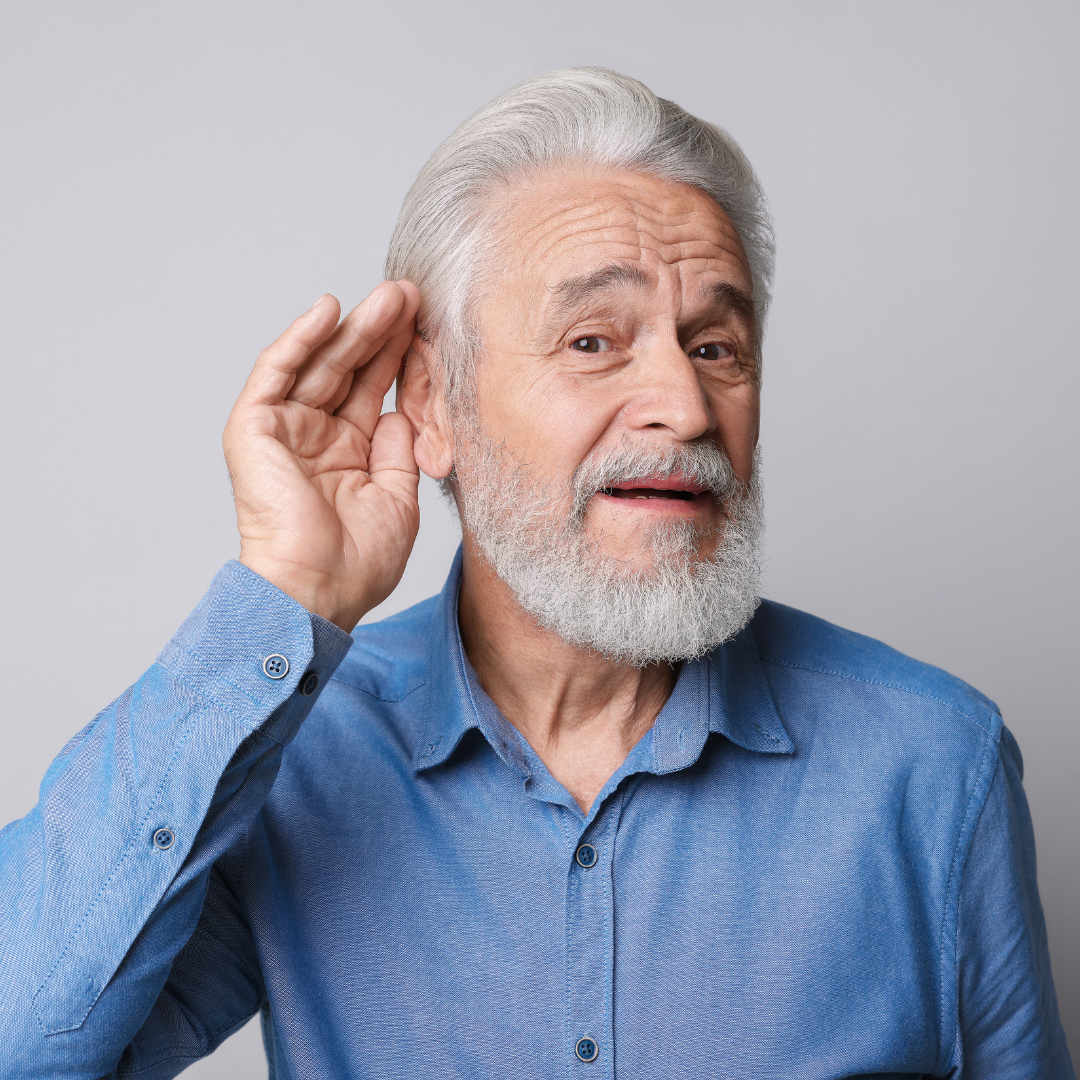
The sudden loss of auditory sensitivity in one ear is frightening and frequently leaves patients unsure of how to seek care. Our clinical specialists offer urgent hearing evaluations and facilitate rapid medical care when sudden unilateral hearing loss arises. Rapid-onset sudden hearing loss mandates swift clinical attention from an audiologist or physician to explore prompt treatment or auditory rehabilitation.
Is Sudden Unilateral Hearing Loss an Audiological Emergency?
Absolutely. Sudden hearing loss in one ear should be treated as a medical emergency, particularly when it develops within hours or over a few days. Clinically termed sudden sensorineural hearing loss or sudden deafness, this condition originates within the delicate inner ear or cochlear nerve pathways. The episode frequently strikes without pain, making it easy to dismiss as seasonal allergies, sinus pressure, or a clogged ear.
Potential signs of this condition include:
- An acute reduction in speech clarity or acoustic loudness on one side
- Struggling to hear or follow telephone speech on the compromised side
- An audible popping sound or intense feeling of aural fullness preceding the auditory decline
- New ringing, buzzing, or roaring in the affected ear
- The sudden appearance of true vertigo, gait imbalance, or persistent dizziness
Avoid waiting passively to see whether normal hearing thresholds return independently. Seek same-day diagnostic guidance from our practice, an urgent care physician, or an otolaryngology specialist.
Why Should You See a Doctor Immediately for Sudden Hearing Loss in One Ear?
Timely clinical evaluation is critical because therapeutic interventions for sudden sensorineural hearing loss demonstrate the highest success rates when started early. We first differentiate whether the condition represents a conductive loss from cerumen or fluid, or a true sensorineural loss involving the inner ear or vestibulocochlear nerve. These two forms of hearing loss mimic each other subjectively, yet they necessitate completely different medical treatments.
Performing physical otoscopy alongside a diagnostic hearing test confirms the exact classification, frequency configuration, and decibel severity of the hearing loss.
Seek emergency care immediately if sudden hearing loss occurs with:
- Acute facial asymmetry, motor weakness, or cranial nerve numbness
- Speech slurring, expressive language difficulty, mental confusion, or an acute severe headache
- Unexplained diplopia, syncopal episodes, or severe physical difficulty walking
- Acute angina (chest pain) or any secondary indicators of systemic vascular crisis
These red-flag manifestations often signify a life-threatening neurological or cerebrovascular crisis requiring emergency hospital care rather than an outpatient visit.
Understanding the Underlying Causes of Sudden Unilateral Deafness
For the vast majority of patients with sudden sensorineural hearing loss, the exact etiology remains idiopathic. When clinical workups identify a source, it usually relates to vascular ischemia, cellular inflammation, acoustic trauma, immune reactions, or acoustic nerve pathology.
Potential medical causes encompass:
- Acute viral labyrinthitis or bacterial infections
- Concussive physical head trauma or sudden high-decibel acoustic trauma
- Autoimmune inner ear disease or systemic inflammatory disorders
- Pharmacological ototoxicity resulting from specific clinical medications
- Cochlear ischemia resulting from vascular occlusion or microcirculatory failure
- Chronic vestibular conditions including active Ménière’s disease
- Neurological conditions such as multiple sclerosis
- A benign retrocochlear growth, such as an acoustic neuroma on the auditory nerve
Because presenting symptoms cannot reliably differentiate these underlying etiologies, immediate otologic examination and audiologic testing are imperative.
How Can Sudden Sensorineural Hearing Loss Be Treated?
Prescription corticosteroids are the gold-standard treatment when sudden sensorineural hearing loss develops without an overt etiology. Corticosteroids can be ingested orally or injected through the eardrum into the middle ear cavity, allowing medication to permeate the round window membrane. Therapeutic recommendations are established by our clinical providers, incorporating symptom onset timeframes, audiometric thresholds, underlying systemic health, and adverse effect profiles.
Initiating steroid therapy within the first 14 days of symptom emergence is critical, emphasizing the importance of starting as early as possible. When initial recovery is insufficient, physicians frequently recommend intratympanic steroid injections as a targeted salvage intervention. Under appropriate circumstances, an ENT specialist might suggest adjunct hyperbaric oxygen therapy paired with clinical steroid treatments.
Will Sudden Hearing Loss in One Ear Resolve Without Medical Treatment?
It is clinically possible for sudden sensorineural hearing loss to improve without active medical care. Approximately fifty percent of affected patients see some or all of their hearing return on its own, usually within one to two weeks of onset. Still, there is no clinical way to predict at symptom onset who will experience spontaneous recovery, how much hearing will be regained, or whether stability will persist.
The possibility that hearing might return spontaneously is never an acceptable reason to delay emergency treatment. Medical interventions become markedly less effective at reversing permanent deficits when delayed by weeks, closing a critical therapeutic window. Auditory outcomes differ substantially among patients, ranging from full recovery to partial or minimal improvement.
What If Hearing Loss in One Ear Doesn’t Respond to Treatment?
If hearing does not fully recover, the next step depends on how much hearing remains, how well the affected ear understands speech, and whether an underlying cause has been ruled out. Our clinicians frequently recommend diagnostic MRI imaging or specialized auditory brainstem response testing to evaluate the hearing nerve and surrounding anatomy.
Comprehensive long-term auditory solutions encompass:
- A conventional hearing aid if diagnostic testing confirms sufficient, aidable residual hearing
- Utilizing a CROS hearing aid system designed to stream acoustic signals from the impaired ear to the normal-hearing ear
- Bone-conduction hearing implants or transcutaneous bone processors for suitable clinical patients
- A cochlear implant for qualifying cases of single-sided deafness
- Cutting-edge assistive listening devices to enhance speech perception in occupational, classroom, and social environments
Comprehensive audiologic rehabilitation helps remediate mental listening fatigue, spatial sound localization deficits, and everyday communication barriers. Selecting the optimal management path relies upon comprehensive audiometric outcomes, vocational needs, medical profile, and personal priorities.
Schedule an Urgent Hearing Assessment
If you experienced a sudden drop in hearing today or within recent days, seek same-day clinical intervention instead of waiting for a standard checkup. We can perform diagnostic hearing testing, compare both ears, review when the change began, and coordinate with an ear, nose, and throat physician or another medical provider when necessary.
Contact our audiology practice today to schedule an urgent hearing appointment.