

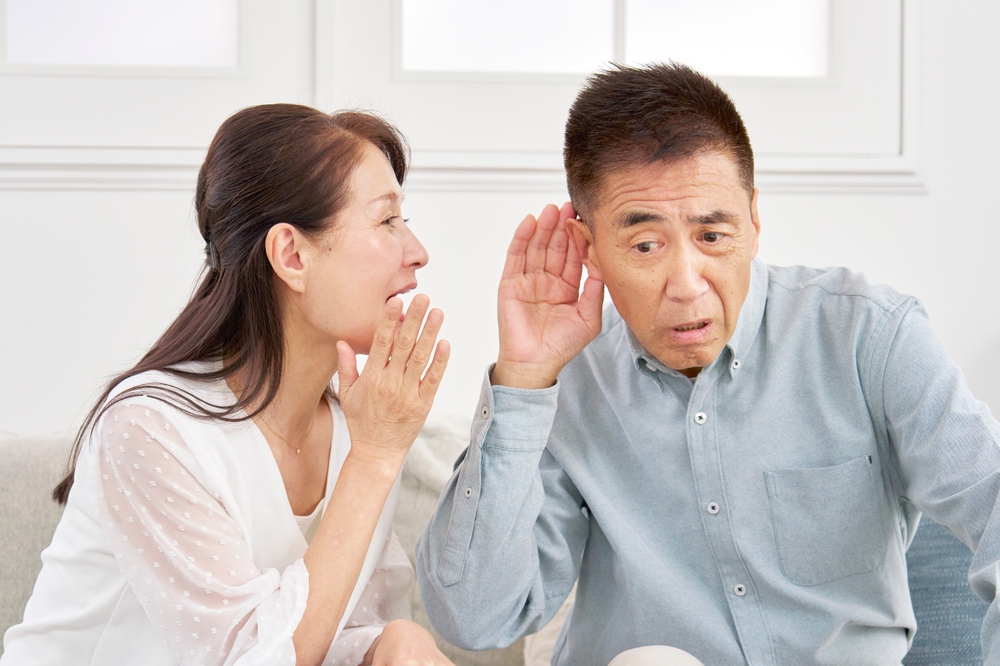
Prevalent myths regarding hearing loss frequently act as a barrier to necessary audiological treatment. Proactive management of hearing loss ensures the best possible outcomes for auditory preservation. Accepting hearing myths as fact typically results in late-stage intervention and diminished communicative function.
Identifying the facts behind auditory health allows you to navigate clinical options with technical certainty. Let’s take a closer look at seven hearing loss myths that deserve to be clarified, along with the truths that put them in their place.
1. Myth: Only Older Adults Have Hearing Loss
Though presbycusis is a standard clinical finding, hearing loss impacts every biological demographic. Auditory challenges in children and young adults often stem from noise pollution, heredity, or pharmaceutical side effects.
Assuming hearing loss is only an “aging issue” can prevent people from recognizing early symptoms and seeking appropriate care.
Myth Two: Auditory Awareness Equals Perfect Hearing
Clinical hearing loss exists on a spectrum and rarely results in immediate total silence. Often, the issue is not a lack of sound but a lack of speech intelligibility in social settings. Between perfect hearing and total hearing loss is a wide spectrum of hearing challenges.
You might notice difficulty following conversations in noisy environments, frequently asking others to repeat themselves, or feeling mentally exhausted after social interactions. Failing to address these subtle changes can lead to long-term communicative difficulties.
3. Myth: Hearing Loss Is Simply an Inconvenience
Ignoring hearing loss creates systemic health risks that impact the entire neurological system. Evidence-based research correlates auditory neglect with social anxiety, mental fatigue, and depressive symptoms.
Proactive hearing care is a vital component of maintaining cognitive health and emotional stability.
Myth Four: The Deterioration Fallacy
The assumption that amplification leads to “lazy ears” is contradicted by modern audiological science.
Digital hearing aids are designed to protect and support the ear, not injure it. These devices use precision digital processing to target frequencies identified in your hearing test. Consistent use of hearing aids maintains the neural pathways required for clear sound interpretation.
5. Myth: Hearing Aids Are Large and Obvious
Current hearing tech leverages micro-circuitry to achieve high performance in small packages. Today’s devices are smaller and more powerful than ever. Numerous models—such as Invisible-in-the-Canal (IIC) devices—remain completely hidden during daily use.
These devices provide high-tech solutions like automatic environment sensing and hands-free calling functionality.
Why Even Mild Hearing Impairment Requires Attention
A “mild” diagnosis still carries the risk of social isolation and increased mental effort. Early treatment helps prevent listening fatigue and reduces the strain placed on the brain during conversations.
The earlier that hearing changes are addressed, the easier it is to adapt and maintain strong communication skills.
Why OTC Devices Often Fall Short of Clinical Needs
While some over-the-counter hearing devices may provide basic amplification, they are not customized to your specific hearing profile. Only a formal assessment can provide the data needed to create a truly effective and personalized treatment plan.
The difference between “generic” and “custom” is measured in both physical comfort and speech understanding.
Your Path to Clarity: Rejecting Common Hearing Fallacies
Any change in hearing can feel scary, which is why many people brush it off and delay seeking care. Accepting myths as truth leads to a longer road to recovery and more significant brain strain. The good news is that hearing evaluations are simple, painless, and highly informative.
Should you perceive even minor shifts in your auditory acuity, a baseline exam is your most critical move. Intervening early is a proven strategy for maintaining a high standard of living through better hearing.
If you are ready for a professional assessment, our specialists are standing by to assist. Contact our office today to schedule your personalized hearing consultation.