

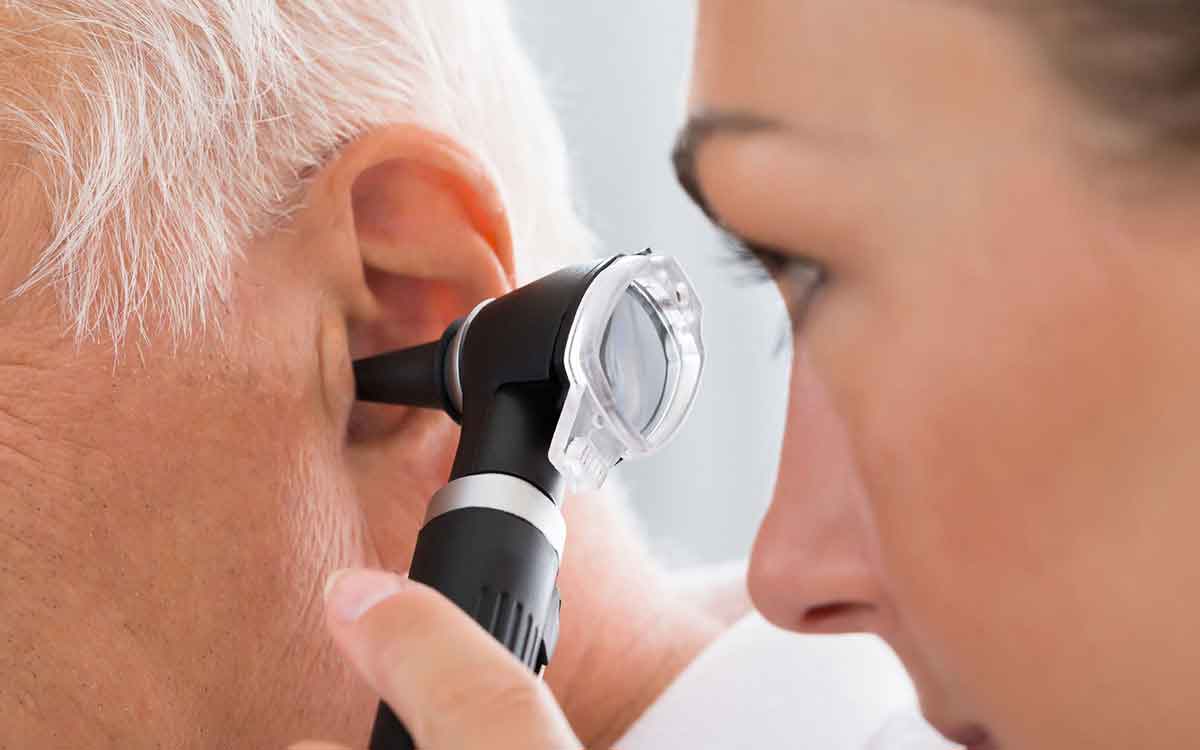
Auditory decline frequently advances as an incremental process, which often results in the condition being missed during its initial onset. Numerous individuals compensate subconsciously by increasing media volume, requesting frequent repetitions, or withdrawing from loud settings.
But recognizing the initial symptoms of hearing loss is clinically vital.
Primary Signs of Developing Hearing Impairment
If you observe any of the following symptoms, it may be time to have your hearing checked.
- Difficulty understanding conversations, specifically in noisy environments with significant background noise.
- A regular need of requesting clarification during conversation.
- Hearing indistinct vocal communication where sounds lack definition.
- Requiring increased decibel settings for electronic devices beyond the comfort of family members.
- Trouble perceiving high-frequency audio, including children’s voices, birds, or doorbells.
- Auditory sensations such as ringing, buzzing, or humming, known as tinnitus.
- Feeling cognitively fatigued after conversations, resulting from increased efforts to hear better.
- Retreating from communal environments as conversational tracking becomes difficult.
These early signs of hearing loss may impact either ear and can be intermittent at first. Because the brain adapts quickly, many people don’t realize how much they’re compensating until hearing loss advances further.
Statistical Overview of Global Auditory Health
The World Health Organization estimates that the need for hearing support will impact 700 million people by 2050. Other relevant statistics involve:
- By 2050, approximately 2.5 billion people are projected to have some degree of hearing loss.
- Over 5% of the world’s population (430 million people) necessitates rehabilitation to address disabling hearing loss.
- In excess of 1 billion young adults face the threat of permanent hearing loss resulting from hazardous acoustic habits.
- Among those aged 60 and older, over 25% suffer from clinically significant hearing loss.
The Value of Early Hearing Loss Detection
Untreated hearing loss may influence your overall health in ways you may not realize.
Clinical evidence shows a clear association between ignored hearing loss and social challenges, including isolation and depression.
Identifying symptoms at an early stage ensures optimal results and varied management strategies.
A hearing evaluation helps identify whether changes are due to presbycusis-driven hearing loss, acoustic trauma, earwax buildup, infection, or another medical condition.
In some cases, auditory shifts are transient and reversible.
Conversely, early use of hearing aid technology or protective strategies may mitigate further decline.
Indications for a Professional Hearing Evaluation
A professional screening is recommended if you experience the following:
- Early signs persist for more than a brief period.
- Hearing difficulties disrupt work, relationships, or daily activities.
- You experience sudden hearing loss, vertigo, or chronic ear ringing (this should be evaluated promptly).
Hearing evaluations are noninvasive and provide essential data regarding your auditory wellness.
We invite you to reach out to our clinic if you believe a hearing screening is necessary.
Auditory Health FAQ: Initial Symptoms
Question: Is aging the sole cause of hearing impairment?
A: No. While age-related hearing loss is common, hearing changes can also result from noise exposure, medications, infections, genetics, or underlying medical conditions.
Question: Is it possible to restore lost hearing?
A: In specific instances involving earwax or infection, hearing may be restored. However, permanent types of hearing loss are often successfully managed with hearing aid technology or therapeutic strategies.
Q: How often should hearing be checked?
A: Adults should have a baseline hearing test by age 50, or earlier if symptoms or risk factors are present.