

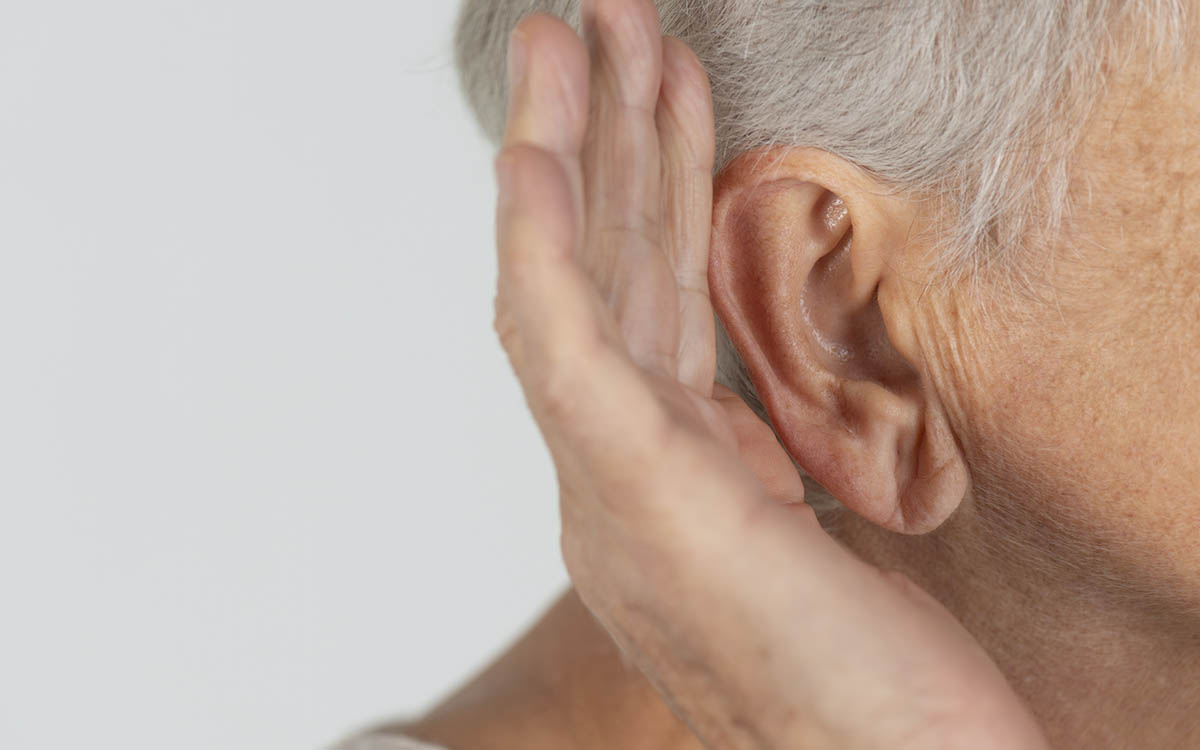
Commonly, clinicians link hearing loss with advancing age, yet for a vast number of citizens, hearing damage begins much sooner. Among the most frequent and preventable categories of auditory damage, noise-induced hearing loss frequently develops incrementally, remaining undetected until the damage is irreversible.
Comprehensive knowledge of how chronic noise exposure affects the ears can help you protect yourself before major hearing loss develops.
Identifying the Clinical Indicators of Acoustic Injury
Noise-induced hearing loss occurs when loud sounds damage the delicate structures inside the inner ear. The Centers for Disease Control and Prevention state that, sustained or frequent exposure to sounds exceeding 85 decibels, such as heavy traffic, can initiate auditory damage. Intense noise sources, specifically firearms or industrial tools, can compromise hearing integrity within a very brief timeframe.
The inner ear contains microscopic sensory receptors known as hair cells. These cells convert sound vibrations into electrical signals that your brain interprets as sound. Because hair cells cannot repair or replace themselves once damaged, hearing loss resulting from noise is generally a permanent physiological state.
Understanding How Ear Injury Progresses Incrementally
The insidious nature of noise-induced hearing loss is highlighted by its gradual developmental timeline. Early-stage symptoms resulting from noise exposure often include:
- Temporary ringing or buzzing in the ears (Tinnitus)
- Post-exposure auditory dullness or perceived muffling of sound
- Reduced ability to distinguish vocal communication in loud surroundings
The cessation of these early symptoms often leads to the false perception that the auditory system has fully healed. In reality, repeated noise exposure continues to injure inner-ear structures, leading to a progressive decline in hearing resolution.
According to the hearing loss Association of America, nearly 48 million citizens live with hearing loss, often without realizing the cause.
Common Acoustic Triggers contributing to Auditory Trauma
Modern society is characterized by high ambient noise, which frequently leads to a lack of awareness regarding sound intensity. Consequently, the frequency of hazardous noise exposure is often underestimated.
Typical noise-generating sources consist of:
- Live music venues and concerts
- High-volume output from personal listening equipment
- Industrial tools, lawn maintenance equipment, and motorcycles
- Industrial workplace environments such as warehouses and construction sites
The everyday occurrence of these sounds allows for progressive damage to develop without obvious warning.
The Critical Role of Auditory Prophylaxis
Noise-induced hearing loss is physiologically irreversible, unlike many other health impairments. Despite its permanence, the condition is significantly preventable. Risk reduction can be achieved through fundamental protective habits, including:
- The application of earplugs or attenuation earmuffs in loud areas
- Lowering headphone volume and following the “60/60 rule”
- Incorporating auditory rest periods to allow for physiological recovery
- Scheduling regular hearing evaluations if you’re frequently exposed to loud noise
Criteria for Professional Hearing Evaluations
The presence of chronic Tinnitus, impaired speech recognition, or altered auditory clarity warrants a professional Audiology consultation. Prompt clinical evaluation is vital for tracking auditory status and formulating effective hearing preservation plans.
Implementing protective measures today safeguards your auditory capacity for the years ahead. While environmental noise is often inevitable, hearing loss is a preventable outcome. We invite you to schedule an appointment with our team to optimize your hearing function.